:quality(80) "header-bed-to-bed")
:quality(80) "Flying After a Brain Bleed")
Experiencing a brain bleed, also known as an intracranial hemorrhage, is frightening and life-changing. One of the first concerns many patients and families have is whether it is safe to fly after such an event. The reassuring news is that flying after a brain bleed is possible, but only when certain medical and recovery guidelines are followed. This article breaks down what you need to know about recovery, medical clearance, risks, and how MTI 24/7 supports safe medical travel after a brain bleed.
Key insights about flying after a brain bleed:
A brain bleed occurs when a blood vessel in the brain bursts, causing blood to accumulate inside or around the brain.
Flying too soon after a brain bleed can be risky due to pressure changes and reduced oxygen levels.
Waiting periods vary, but specialists typically recommend several weeks of recovery before flying.
If you recently had neurological surgery, have unstable symptoms, or require monitoring, medical clearance is essential.
MTI 24/7 provides safe global medical flights for patients recovering from brain bleeds.
What Is a Brain Bleed, and How Does It Affect Air Travel?
A brain bleed, or intracranial hemorrhage, is bleeding in or around the brain that can lead to serious complications. This can happen because of head trauma, high blood pressure, stroke, aneurysms, brain tumors, or other underlying medical conditions.
How a Brain Bleed Affects Air Travel
Increases risk from low cabin pressure, which can stress brain tissue.
Reduces oxygen availability, potentially worsening neurological symptoms.
Aggravates common flight issues, like dehydration and fatigue.
Heightens discomfort, including headaches, dizziness, and nausea.
Intensifies sensory sensitivity, such as to light and noise.
Requires medical clearance, so always consult a doctor before flying.
Because symptoms and risks vary widely, always consult your doctor before planning air travel.

Is It Safe to Fly After a Brain Hemorrhage?
Flying after a brain hemorrhage may be possible, but only once a doctor has provided medical clearance. Sufficient recovery time is essential to allow the brain to stabilize, reduce the risk of rebleeding, and ensure that symptoms are under control.
Key Considerations Before Flying
Medical clearance is mandatory. Your doctor will determine if it’s safe based on your recovery and current health.
Cabin pressure changes may exacerbate symptoms.
Recommended waiting periods typically range from several weeks to longer, depending on the severity and cause of the hemorrhage.
Practical Travel Tips
Carry a doctor’s letter outlining your condition, medications, and special travel requirements.
Keep all medications in your carry-on, along with copies of prescriptions for easy access and emergencies.
Stay well hydrated before and during the flight to support brain function and circulation.
Move around periodically to lower the risk of blood clots, especially on longer flights.
Travel with a companion who can assist if symptoms arise or worsen mid-flight.
What Are the Risks of Air Travel Too Soon After a Brain Bleed?
Flying too early after a brain bleed can increase the chances of complications. The brain needs adequate time to heal before being exposed to the stresses of flight. Potential risks include:
Worsened neurological symptoms, such as confusion, nausea, or seizures.
Increased intracranial pressure, potentially triggering headaches or dizziness.
Cognitive difficulties, including trouble concentrating or making decisions.
Higher fatigue and stress levels, which can hinder healing.
Greater risk of dehydration, affecting brain and body function.
In-flight complications, putting both the patient and other passengers at risk.
It is important to know more about the risks associated with air travel after complex health conditions so that you keep yourself and another passenger safe. To travel safely after a brain bleed, contact MTI 24/7 for medically supervised air transport with expert in-flight care.
How Can Our Medical Escort Service Support Passengers After a Brain Bleed?
Our medical escort service provides safe, reliable in-flight care for passengers recovering from a brain bleed. It is ideal for patients who are stable, but still require medical supervision and assistance while flying on commercial airlines. Benefits of traveling with our flight nurses or paramedics include:
Expert in-flight monitoring from licensed medical professionals.
Medications and oxygen support throughout the journey.
Coordination with airlines and arrangement of necessary medical accommodations.
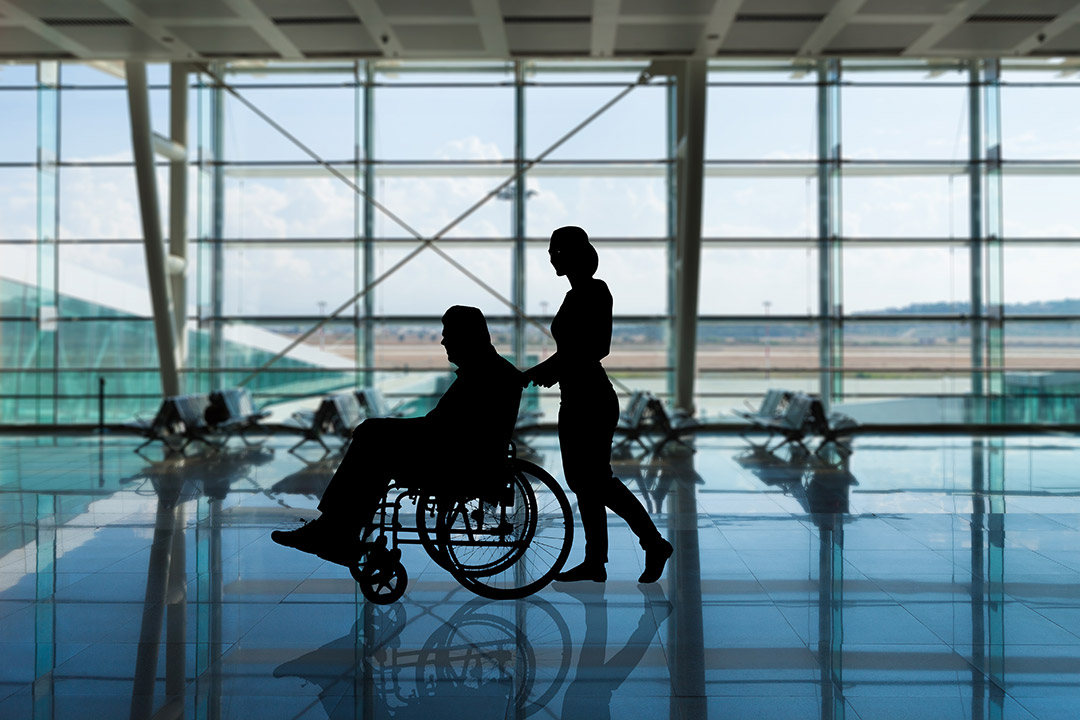
Assistance with mobility during airport navigation, boarding, and arrival.
Reduced travel stress, with all medical logistics and documentation handled.
Rapid response in the event of returning or escalating symptoms.
Contact our team today to schedule professional medical escort services and travel with confidence after a brain bleed.
When Should You Consider an Air Ambulance to Fly After a Brain Bleed?
An ambulance aircraft is the safest option for patients with severe brain bleeds or those recovering from brain surgery. These medical flights offer ICU-level care, rapid transport, and constant monitoring by critical care specialists to minimize risks during travel. Benefits of opting for our air ambulance service include:
Access to fully equipped aircraft with advanced life support systems and ICU capabilities.
Travel with a dedicated medical team, including flight nurses and paramedics trained in neuro-critical care.
Continuous in-flight monitoring of vital signs, neurological status, and post-surgical needs.
Rapid medical transport to or from hospitals, rehabilitation centers, or specialist facilities.
Comprehensive bedside-to-bedside service, including ground ambulance coordination at both ends.
What Factors Affect the Cost of Neurological Medical Flights?
At MTI 24/7, medical transport costs are not fixed, as each flight is customized to the patient’s specific needs. Prices vary depending on factors such as:
Flight route and distance
The patient’s medical condition
Aircraft type
Required medical personnel
Ground transportation
Why Should You Choose MTI 24/7 For Safe Post-Brain Injury Air Travel?
With years of experience in medical flights worldwide, MTI 24/7 ensures every journey is safe, comfortable, and professionally managed. Our multilingual team guarantees clear communication and can assist with any language barriers. Additionally, our aviation experts handle every detail with precision and care, so you can focus entirely on your recovery.
How to Book a Medically Supervised Flight After a Brain Bleed?
We understand how daunting it can be to require medical transport, whether returning home or traveling abroad for treatment or recovery. That’s why we’ve made our booking process as straightforward as possible. Arranging a safe medical flight with MTI 24/7 is simple:
Contact us via phone, email, or our online form.
Provide medical information and your travel route during a free consultation.
Receive a recommendation from our team for the best transport option and a free, non-binding quote.
Accept our offer and let us handle all logistics, keeping you informed every step of the way until you reach your final destination.
Contact MTI 24/7 to fly safely after intracranial hemorrhage
If you or a loved one needs to fly after an intracranial hemorrhage, contact MTI 24/7 for safe, medically supervised air travel. Our expert medical team and fully equipped air ambulances ensure constant monitoring and support throughout the journey. Don’t wait, reach out to our team today to arrange swift, safe medical transport.
Reach us by:
Phone: USA: +1 646 335 06 83 / UK: +44 20 3608 0959
Email: info@mti-247.com
Our contact form