:quality(80) "header-bed-to-bed")
:quality(80) "cruise-ship-01-1200")
A medical emergency at sea can turn a relaxing cruise into a stressful and uncertain situation within minutes. When a passenger becomes seriously ill or injured far from shore, rapid coordination and specialised transport are often needed to ensure they receive the right level of medical care.
At MTI 24/7, we arrange worldwide medical transport, including air ambulance and medical escort flights. Our international coordination teams work around the clock to help patients safely continue their treatment closer to home or at a specialised hospital.
Key things to know about cruise ship medical evacuations:
Cruise ship medical evacuations are required when onboard medical facilities cannot provide the level of care a patient needs.
Common reasons for evacuation include cardiac emergencies, strokes, severe infections, respiratory distress, trauma, and ICU-level conditions.
Air ambulance transfers provide advanced medical care during long-distance international transport, including ventilator support and critical care specialists.
Medical escorts on commercial flights offer a cost-effective solution for stable patients who can travel seated or on a stretcher.
Bed-to-bed medical transport includes ambulances, airport coordination, in-flight medical care, receiving hospital arrangements, and family communication support.
Medical evacuation costs vary based on distance, aircraft type, ICU equipment, medical staffing, permits, and destination country requirements.
What is a medical evacuation from a cruise ship?
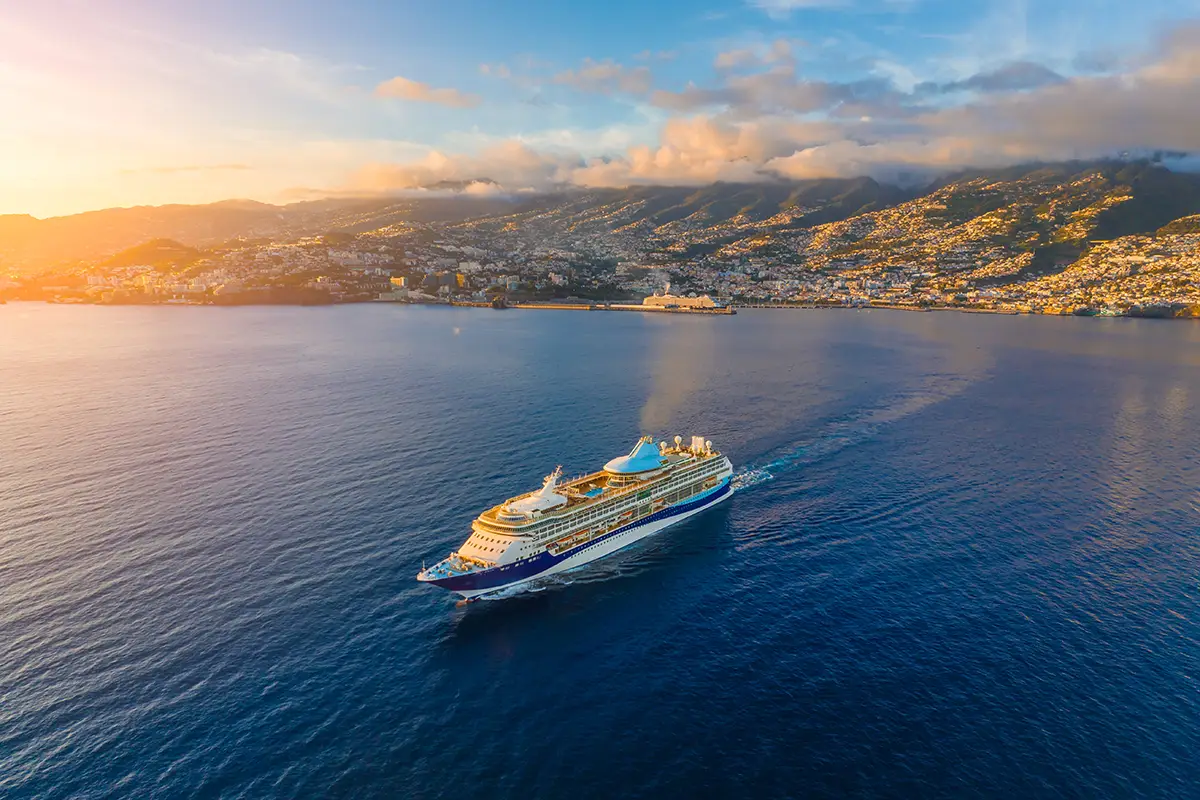
A medical evacuation from a cruise ship is the organized transfer of a passenger or crew member from the vessel to an onshore medical facility. This may happen because the onboard medical center cannot provide the required level of treatment or because the patient needs specialized hospital care.
When is a cruise ship medical evacuation necessary?
Cruise ships are equipped to handle many common illnesses and injuries, but severe conditions often require advanced hospital treatment on land. These include:
Cardiac emergencies
Stroke symptoms
Severe infections
Respiratory distress
Serious fractures or trauma
Internal bleeding
Neurological conditions
Complications after surgery
Intensive care requirements
In some cases, patients are first stabilized in the cruise ship’s medical center before being transferred to a hospital at the next available port. In more urgent situations, rescue helicopters may be deployed directly to the ship.
May 2026 hantavirus example
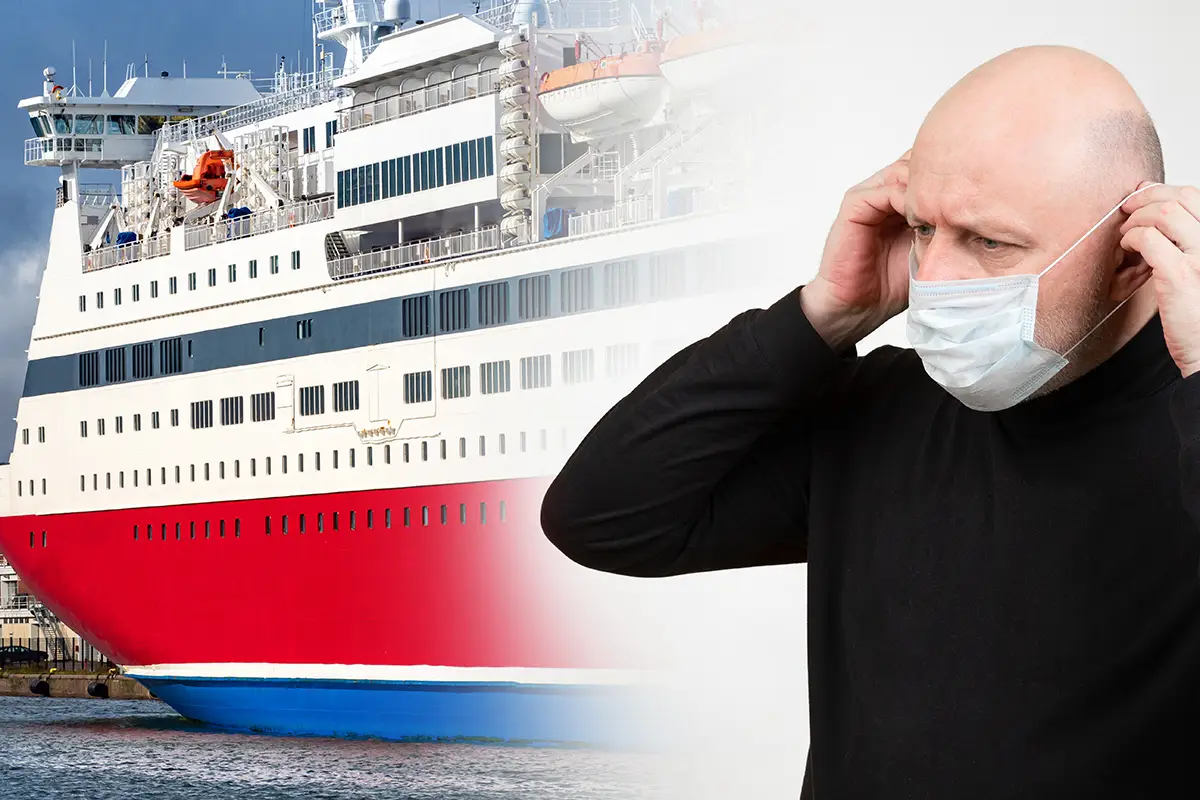
The May 2026 hantavirus outbreak on a Dutch-flagged cruise ship in the South Atlantic exemplifies severe infections necessitating evacuation. Starting April 6, cases progressed rapidly from fever and headache to pneumonia, ARDS, and shock, resulting in three deaths and one ICU transfer to South Africa via helicopter. Shipboard isolation stabilized milder cases, but critical patients required prompt medevac for advanced ICU care unavailable onboard .
What transportation options are available from a cruise ship?
Transportation options from a cruise ship depend on the patient’s medical condition, location at sea, and urgency of care needs. MTI 24/7 coordinates air ambulance transfers, and medical escorts on commercial flights to ensure patients receive safe, medically supervised transport to a hospital or home destination.
Helicopter evacuation
Helicopter evacuations are commonly used for urgent emergencies at sea when immediate hospital care is needed.
These missions are often coordinated with:
Coast guards
Maritime rescue agencies
Naval rescue services
Offshore emergency teams
Patients are usually transported to the nearest suitable hospital before any onward international transfer is arranged.
Air ambulance transfer
Patients who require intensive monitoring, oxygen support, ventilators, or ICU-level care may travel aboard an international air ambulance service.
Air ambulances can include:
Intensive care equipment
Stretcher systems
Critical care specialists
Flight physicians
Ventilator support
This option provides the highest level of medical supervision during long-distance international transfers.
Medical escort on a commercial flight
How an Air Ambulance works - Inside a Life-Saving Medical Flight
For stable patients who can safely travel seated or on an in-flight stretcher, MTI 24/7’S medical escort service may be a more cost-effective option. Our flight nurses or paramedics can:
Provide medication management to ensure prescriptions are administered safely and on schedule during travel.
Administer oxygen support for patients who require respiratory assistance while flying.
Assist with mobility needs including boarding, transfers, wheelchair support, and in-flight movement.
Monitor patient condition throughout the journey to maintain comfort, stability, and safety.
Coordinate airport assistance for smooth navigation through terminals, security, and connecting flights.
What is included in a bed-to-bed evacuation?
International medical transportation is rarely limited to the flight itself. A complete bed-to-bed service coordinates every stage of the journey. This can include:
Ambulance from the port or hospital
Airport medical assistance
Flight coordination
In-flight medical care
Receiving hospital arrangements
Ground ambulance at destination
Communication with family members
At MTI 24/7, we coordinate the entire process to reduce stress for patients and relatives during a difficult situation.
How much does a medical evacuation from a cruise ship cost?
The cost of a cruise ship medical evacuation depends on several factors, including the patient’s condition, the ship’s location, and the required medical equipment.
Factors affecting pricing include:
Distance to shore
Aircraft type
ICU equipment requirements
Medical team size
International permits
Ground transportation
Destination country
For example, a medical escort on a commercial flight is generally less expensive than a long-range ICU air ambulance flight. Patients traveling from remote ocean regions may also require additional rescue coordination.
Contact MTI 24/7 to arrange a medevac from a cruise ship
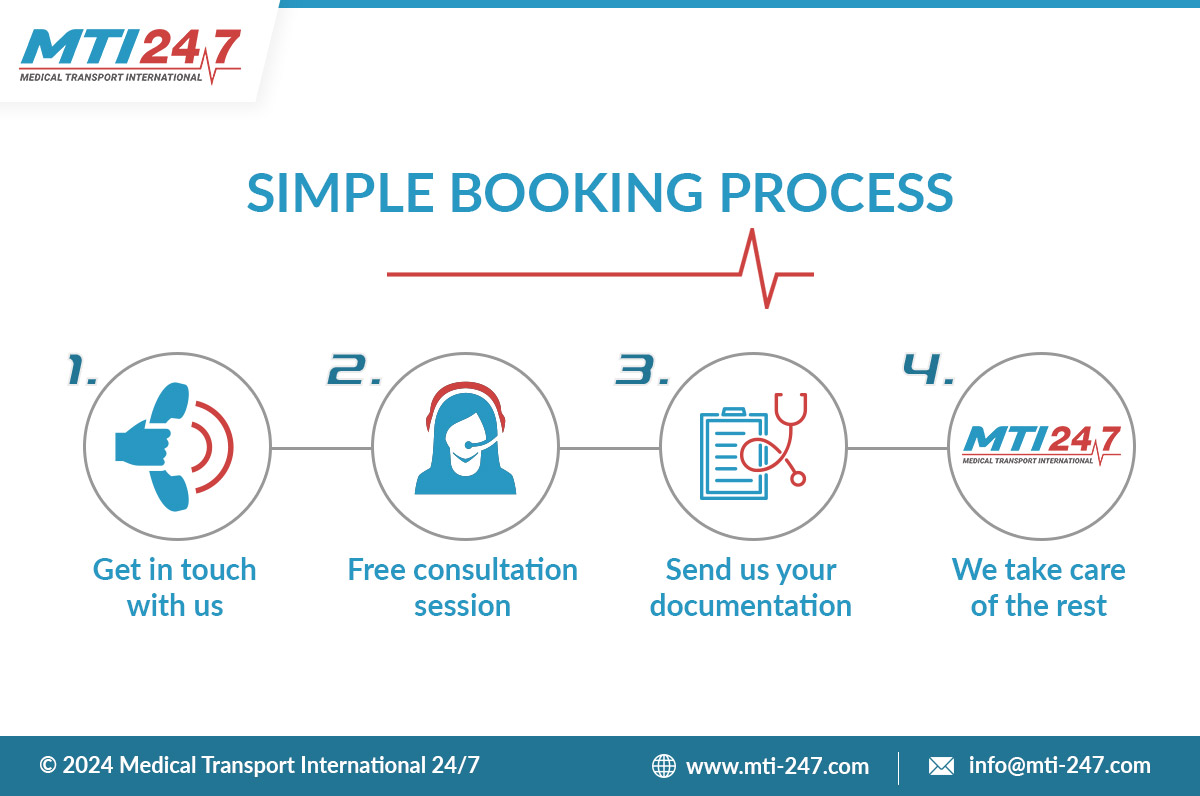
A medical emergency at sea can feel overwhelming, especially when you are far from home and trying to organize treatment across multiple countries. At MTI 24/7, we help patients, families, insurers, and cruise operators coordinate safe international medical transportation with experienced medical and aviation teams.
Reach us by: