:quality(80) "header-bed-to-bed")
:quality(80) "Traveling With a Newborn Baby")
Your life changes in meaningful ways when you welcome a newborn, and that includes how you travel. If you once moved easily from place to place, traveling with a baby may feel overwhelming at first. But with the right guidance, preparation, and support, it becomes much easier. This article provides practical information on when it is safe to fly with a newborn, the airline policies you should be aware of, and simple tips to help make the journey more comfortable for your baby.
Key Insights About Traveling with a Newborn
Before traveling with a newborn, you should consult a pediatrician
Airline policies regarding travel with newborns vary, but most recommend flying only once a child’s immune system is more developed
There is no universal minimum age for infants to fly, so it's important to check with your airline for specific policies.
MTI 24/7 offers air ambulance and medical escort services to make flying with infant stress-free.
When traveling with an infant, ensure you have enough food for the baby, and don’t be embarrassed when your infant cries – most passengers understand this.
When can you Safely Travel by Air with a Newborn?
Before traveling with a newborn, it is important to consult a pediatrician to find out if it is safe to board a plane with your baby. Also, airline policies will vary from one carrier to another -- so, you should always check them before you travel.
Here's a checklist that'll help you determine when you can safely travel with your newborn;
Pediatrician approval: It is crucial to get clearance from a doctor
Airline policies: Check with your specific airline policies, as minimum age requirements can vary.
Immune system: It is generally advisable to travel when your newborn's immune system is strong.
What are the health and safety considerations for newborns on flights?
To ensure a safe flight with a newborn, consult your pediatrician before traveling. Even if approved to fly, specific precautions should be taken to protect your baby’s health and comfort throughout the journey.
Key Tips for Flying Safely with a Newborn
Consult your pediatrician to determine if your baby is medically fit to fly
Review airline policies for age restrictions, seat options, and infant travel rules
Book infant-friendly seating such as bulkhead seats or bassinets when available
Pack extra essentials including diapers, wipes, formula, and sanitizer for easy access
Feed during takeoff and landing to help ease ear pressure and keep your baby calm
Limit germ exposure by cleaning surfaces and avoiding crowded areas when possible
Always arrive early to reduce stress and give yourself extra time to manage feeding, changing, and boarding with your newborn.
Are there age restrictions for infants flying on commercial airlines?
While there is no universal minimum age for infants to fly, most airlines have specific guidelines and may require medical clearance for newborns. Always check your airline’s policy before booking. Here are some common guidelines to keep in mind:
Avoid travel within 48 hours of birth as many airlines discourage flying immediately after delivery
Expect a doctor’s note if flying with a newborn under 7 days old or after a complicated birth
Confirm age requirements as some airlines only allow infants to fly after 2 weeks or older
Use an approved child restraint system for enhanced safety, though lap travel is permitted
Limit one infant per adult to ensure adequate supervision during the flight
Review infant fare and seat policies, which vary based on airline and destination
Common Challenges Parents Face When Travelling with a Newborn
Travelling with a newborn can be challenging. Because newborns rely entirely on their caregivers, flying with them requires focus before, during, and after the journey.
Here are some common challenges:
Disrupted routines: Traveling can easily disrupt your baby’s sleeping, feeding, and comfort routines.
Feeding logistics: Feeding in a crowded or unfamiliar environment can be difficult, especially when breastfeeding or preparing formula in tight spaces.
Diaper changes: Changing diapers in public spaces or on a plane can feel overwhelming due to limited space and privacy.
Health and safety: Newborns may experience discomfort from cabin pressure changes, and their developing immune systems make them more vulnerable to germs.
Packing: Packing for a newborn takes extra effort. You’ll need to plan for both expected and unexpected situations, which can make it hard to know what to bring.
Tips to Keep Your Baby Comfortable During Air Travel
Keeping your baby comfortable during air travel increases the chances of a smooth and stress-free flight. Here are some simple practices:
During takeoff and landing:
Have your baby suck on a pacifier, bottle, or breast to help ease ear pressure.
If flying internationally, request a bassinet in advance to give your baby a more comfortable resting place.
If your child has a cold, ear infection, or any recent illness, consult a pediatrician and ask whether any medication or precautions are recommended.
During the flight:
Bring familiar comfort items like a favorite blanket, small pillow, or soft toy to help your baby feel secure.
Use a portable white noise machine or rely on natural cabin sounds to create a soothing environment.
Make sure you have enough food for the baby throughout the flight.
If your baby cries, don’t panic. Most passengers understand, and many are compassionate toward parents traveling with infants.
When Is Medical Supervision or a Medical Escort Recommended for Infants?
Medical supervision or escort are often recommended for infants who need extra support during travel. This includes premature infants, babies with ongoing medical needs, or those recovering from a recent illness or procedure.
Common situations where medical supervision may be advised
Premature infants, especially those within the first days or weeks of life, or those who still depend on specialized care.
Infants who require ongoing monitoring or medical assistance during travel.
Post-operative infants who need continued care, medication administration, or observation.
Babies with chronic lung issues or conditions that affect breathing.
Infants who require close medical supervision to ensure their wellbeing throughout the journey.
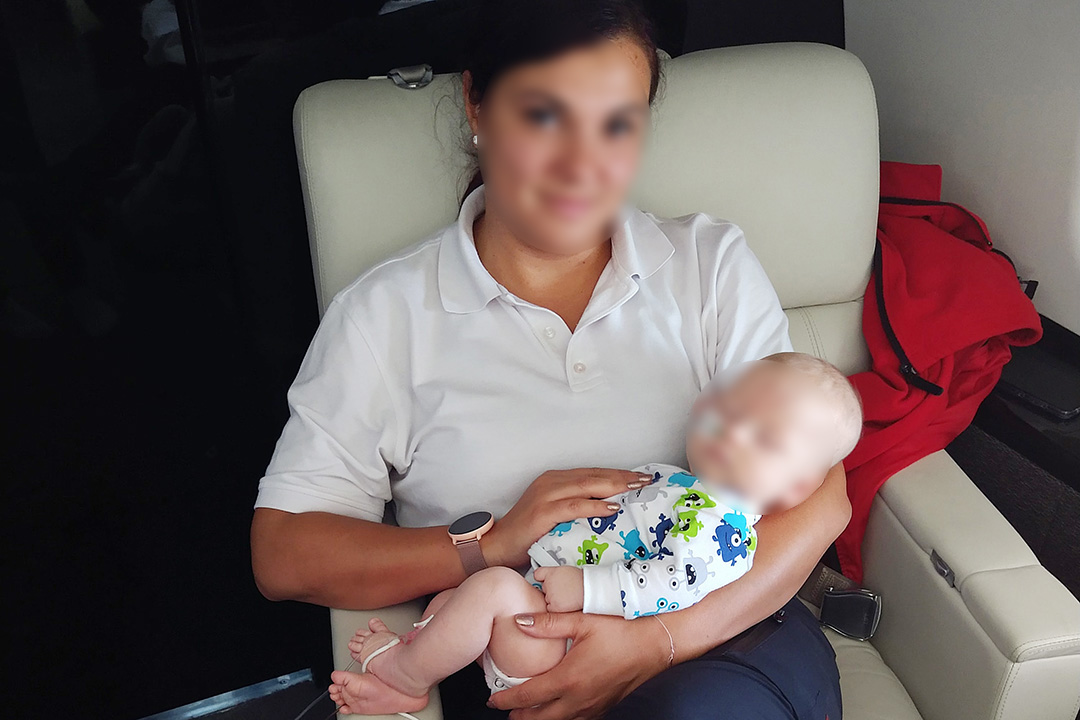
When Is Air Ambulance Support Needed for Premature or Neurologically Vulnerable Babies?
If your baby is premature or requires additional developmental or medical support, traveling can feel complicated. However, you don’t need to worry about the logistics or whether it’s possible.
MTI 24/7 offers reliable air ambulance services for newborns who need a higher level of care during travel, removing the stress and uncertainty that parents often face when flying with medically vulnerable infants.
Cost Factors for Infant Medical Flights
The cost of infant medical flights varies widely, depending on several key factors, including the medical needs of the baby and the distance of travel. There is no fixed price, so each case requires a personalized quote.
Key Factors That Influence Cost
Type of aircraft used, such as air ambulance jet or medically equipped helicopter
Flight distance and route, including international or remote destinations
Level of medical care required, such as neonatal ICU equipment or specialist escort
Number of medical staff onboard including nurses, respiratory therapists, or neonatologists
Urgency of transport, including last-minute or urgent requests
Ground transportation coordination between hospitals and airports
MTI 24/7 offers free, customized quotes to help families choose the safest, most cost-effective solution based on their infant’s unique medical needs.
Why Choose MTI 24/7 for Newborn and Infant Air Travel Assistance
MTI 24/7 supports families before, during, and after the flight to eliminate many of the challenges that come with traveling with a newborn. With air ambulances equipped with setups similar to what you would find in a hospital ICU, and a team trained to care for infants, parents can feel confident that their newborn is in safe hands.
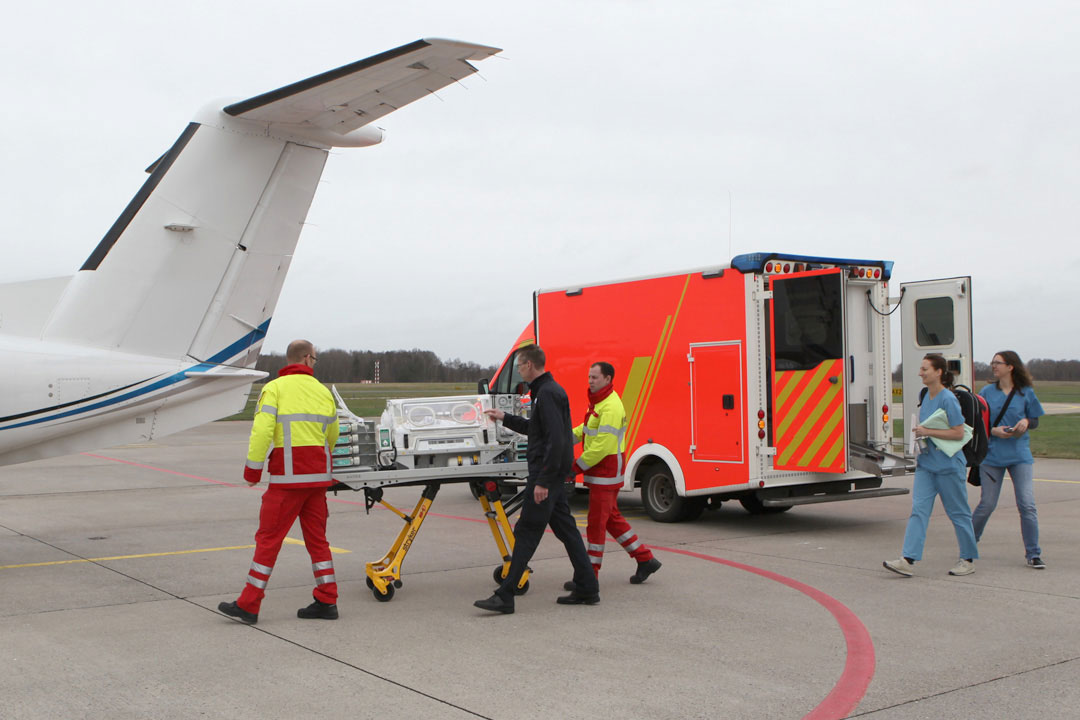
How to Book a Safe Flight for a Newborn Baby with MTI 24/7
Booking a flight with MTI 24/7 is a straightforward process. We make it seamless so that you can book your flight and focus on other challenging areas like packing.
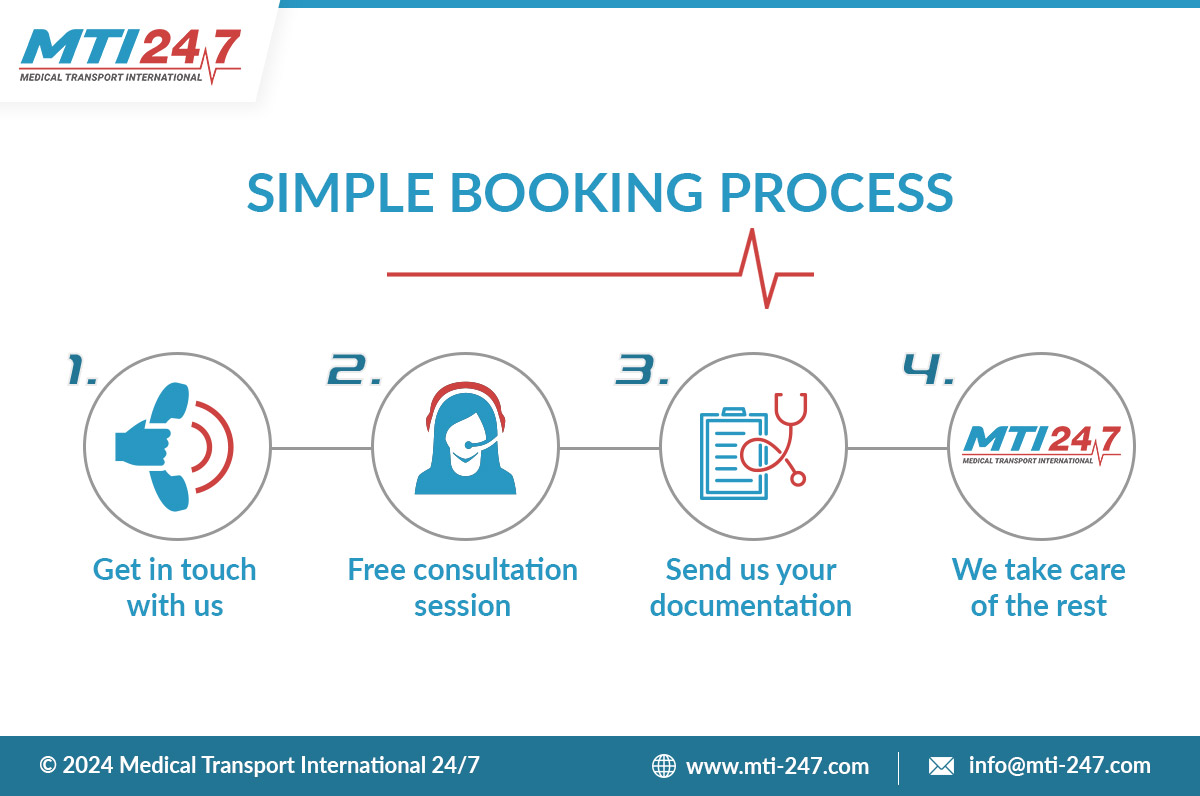
Step-by-Step Booking Process:
Contact us via phone, email, or our online contact form
During a free consultation, we’ll discuss your newborn’s medical and travel needs
Receive a personalized, non-binding quote tailored to your situation
Approve the plan and confirm your booking when you're ready
Let our team coordinate everything including medical crew, equipment, and logistics
Stay informed and supported throughout the process with real-time updates
Contact MTI 24/7 for safe, reliable and hinge-free flights with a newborn
Traveling with a newborn requires expert planning and care. MTI 24/7 specializes in medically supported air transport to ensure your baby’s safety and comfort from takeoff to landing. Contact us anytime to arrange a smooth, stress-free journey tailored to your newborn’s needs.
Reach us by:
Phone: USA: +1 646 335 06 83 / UK: +44 20 3608 0959
Email: info@mti-247.com
Our contact form