:quality(80) "header-bed-to-bed")
:quality(80) "pregnant-woman-with-doctor")
Every woman hopes for a smooth pregnancy and a straightforward delivery. But sometimes, things don’t go exactly as planned, and a c-section (cesarean birth) becomes necessary to ensure the safety of both mother and baby.
After a c-section, recovery comes with certain limitations that can temporarily disrupt your normal routine — including travel. If you're wondering whether you can fly after a c-section, you're not alone.
This article walks you through when it’s safe to travel, the risks to be aware of, and how to make your journey as comfortable as possible.
Key insights about flying after a c-section
Immediate air travel after a c-section is not recommended
Most women are advised to wait several weeks before flying
Risks include blood clots, infection, and delayed healing
Medical clearance is important, especially for early travel
Medical escorts may support stable postpartum travel
MTI 24/7 provides safe, non-emergency medical flights for new mothers
What happens to the body after a C-section and why recovery takes time
A c-section is a major abdominal surgery. After delivery, your doctor closes the uterus and abdominal layers, and your body begins a gradual healing process.
In the days and weeks that follow, you may experience:
Abdominal soreness
Vaginal bleeding (lochia)
Fatigue and reduced mobility
Digestive discomfort such as constipation
Because multiple layers of tissue are involved, your body needs time to heal internally and externally. During this period, activities like lifting, driving, or strenuous movement are limited — and this includes air travel.
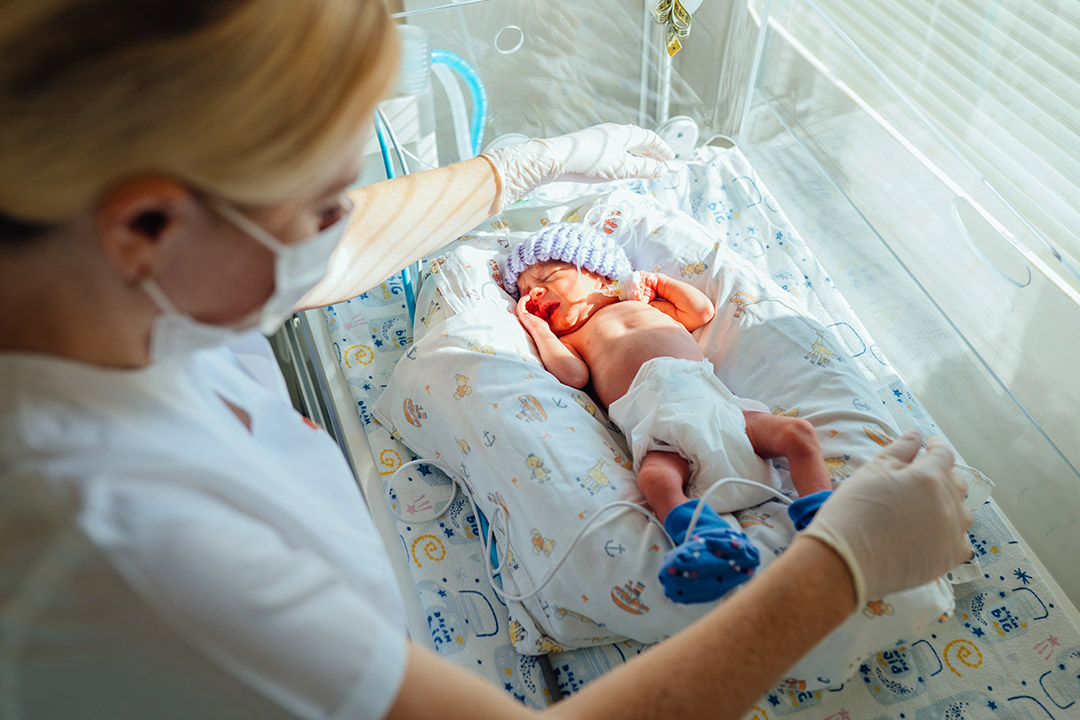
When can you safely fly after a C-section?
There is no one-size-fits-all answer, but timing is crucial.
Key considerations before flying:
Most doctors recommend waiting several weeks (often up to six weeks)
In some cases, earlier travel may be possible with medical clearance
Your recovery progress, symptoms, and overall health matter
The first few weeks after childbirth are also important for rest, bonding, and establishing a routine with your newborn. Travel too soon can disrupt both recovery and adjustment.
Medical risks and warning signs to watch for
Flying after a c-section may have some medical risk especially if you don't wait for your body to heal or don't seek medical clearance.
Here are some common risks you should know:
Medical Risks of Flying After a c-section:
Deep vein thrombosis (DVT) and Pulmonary Embolism (PE): After a c-section, the risk of venous thromboembolism is four times higher. This is due to the combined effects of recent major surgery, hormonal changes, and prolonged sitting, which can lead to dangerous blood clots.
Wound infection or separation: Because the incision is still healing, cabin pressure changes and stress on the body can affect the healing process.
Severe postpartum bleeding: Flying after a c-section can lead to a return or increase in postpartum bleeding, especially if you are rushing or lifting luggage.
Infection exposure: Both mother and newborn have weak immunity to infections, making them vulnerable in crowded airports or planes.
Warning signs to watch for:
Your body usually sends signals about your health condition or state, which oftentimes, is ignored. If you experience any of the following before or during your flight, you should seek medical attention:
Calf pain, redness, or swelling,
Shortness of breath or chest pain,
Fever or chills,
Incision issues,
Heavy vaginal bleeding.
Tips for travelling safely and comfortably after a C-section
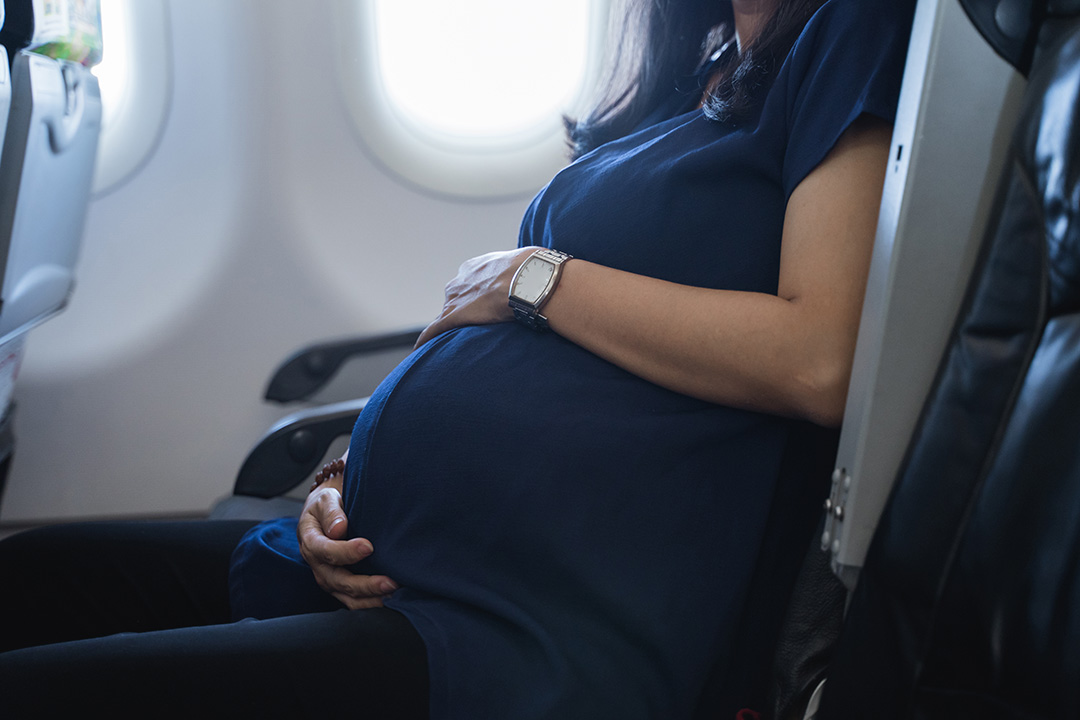
It is not recommended to travel immediately after a c-section due to the risks involved. However, if you follow these tested and proven best practices, you’ll have a safe flight.
Helpful travel tips:
Get medical clearance before booking
Stay mobile during the journey to reduce clot risk
Avoid lifting anything heavier than your baby
Wear loose, comfortable clothing
Use a pillow to support your abdomen
Choose an aisle seat for easier movement
Pack essentials (medication, records, hygiene items) within reach
Travel with a companion for support
Safe medical transport options after surgery
Safe medical transport after a c-section is important to prevent complications like blood clots or abdominal strain, especially within the first two weeks post-surgery. Depending on your needs, you may require a medical escort on a commercial flight or an air ambulance.
If travelling shortly after surgery feels overwhelming, there are safer, medically supported travel options available.
Medical Escort (Commercial Flights)
A medical escort is suitable for mothers who are stable but need assistance.
They provide:
Support during boarding and transit
Monitoring throughout the flight
Help with mobility and comfort
Air Ambulance (Private Medical Flight)
For more complex or sensitive situations, a private medical flight may be recommended.
This option offers:
Continuous medical supervision
A controlled care environment similar to an ICU
Bed-to-bed coordination
Privacy and comfort for mother and baby
Bed-to-bed medical transport for postpartum patients
Bed-to-bed service ensures complete care from your current location to your destination. If your medical situation after a c-section is sensitive or complex, bed-to-bed medical transport is ideal.
This includes:
Ground transportation
In-flight medical care
Coordination between facilities
It is especially helpful for mothers who are bed-bound or recovering from complications, offering peace of mind throughout the journey.
What influences the cost of medical transport after surgery
There is no fixed cost for medical transport.
The final cost depends on:
Travel distance and route
Level of medical care required
Type of aircraft or transport used
Logistics and coordination needs
MTI 24/7 provides customized quotes based on each patient’s situation, ensuring appropriate care and planning.
Contact MTI 24/7 for safe and hinge-free postpartum medical flights
After a c-section or any other medical procedure, ensuring your comfort and safety during travel is paramount. At MTI 24/7, we specialize in offering non-emergency, postpartum medical flights designed to cater to the unique needs of new mothers. Whether you're recovering from surgery or need to travel for follow-up care, our experienced team is committed to providing you with seamless, worry-free travel.