:quality(75) "header-bed-to-bed")
:quality(75) "leg-injury-02")
Flying after a knee replacement can feel intimidating. You may worry about swelling, stiffness, blood clots, or simply managing a long journey with reduced mobility. While these concerns are valid, air travel after orthopedic surgery doesn’t have to be overwhelming. In this guide, you’ll learn how recovery works, the safest time to fly, risks to watch for, and when a medically supervised flight may be the best option. You’ll also discover how MTI 24/7 helps patients fly safely and comfortably after knee replacement surgery.
Key Insights About Flying After Knee Replacement Surgery
Flying after knee replacement surgery is generally safe once you get medical clearance.
Blood clots (DVT) are the main risk during long flights.
Movement, hydration, and compression socks help reduce in-flight swelling.
Doctor approval and the right planning make flying smoother and safer.
Medical escorts or air ambulances are ideal for patients who require support or monitoring.
MTI 24/7 provides worldwide medical flights tailored to post-surgery patients.
What Happens During Knee Replacement Surgery?
Knee replacement surgery involves removing damaged joint surfaces and replacing them with artificial components to restore function and reduce pain. It’s typically recommended for patients with severe arthritis or joint damage that limits mobility and doesn’t respond to conservative treatments.
Here’s a simple breakdown of the process:
Administer anesthesia: Patients receive either general anesthesia or spinal anesthesia to ensure comfort during the procedure.
Make the incision: The surgeon makes a precise cut over the knee and carefully moves the kneecap aside.
Remove damaged tissue: Worn-out cartilage and bone from the thigh and shin bones are trimmed away.
Insert the implant: A metal or durable plastic prosthesis is placed to create a smooth, functional joint surface.
Close the incision: The knee is repositioned, and the incision is sutured or stapled shut.
Begin recovery: Swelling and stiffness are common initially, but mobility typically improves steadily with physical therapy.

When Is It Safe to Fly After Knee Replacement?
It’s generally safe to fly 6 to 12 weeks after knee replacement surgery, but this depends on your recovery and your doctor’s recommendations.
Key Factors Your Doctor May Consider
Need for blood thinners before or during travel to reduce clotting risks
Your ability to walk and move safely during boarding and in-flight
Length and type of flight, as longer flights may pose higher risks
Swelling and healing progress, which can affect comfort and mobility
Airline medical policies, which may require a clearance form for travel
Availability of mobility assistance, such as wheelchairs or priority boarding
Always check with your doctor and the airline before booking your flight to ensure a safe and smooth travel experience.
Risks of Flying Too Soon After Surgery
Flying shortly after knee replacement surgery can pose serious health risks, particularly on long or international flights. The combination of limited movement, cabin pressure, and recent surgical trauma can lead to complications.
Main Risks to Be Aware Of
Deep Vein Thrombosis (DVT): Limited mobility and recent surgery significantly raise the risk of blood clots forming in the legs, which can become life-threatening if they travel to the lungs.
Increased Pain and Discomfort: Prolonged sitting may intensify post-operative swelling and stiffness, making flights physically uncomfortable.
Worsening Leg Swelling: Changes in cabin pressure can lead to fluid buildup, increasing both discomfort and the risk of DVT.
Delayed Healing: Stress from travel, lack of rest, and potential strain can interfere with the body’s recovery process.
Limited Access to Medical Care: In-flight medical assistance is minimal, which can be dangerous if complications arise mid-air.
Mobility Challenges: Navigating crowded airports or airplane aisles can increase the risk of falls or strain on the healing knee.
Always consult your surgeon before flying to avoid preventable complications during recovery.
Tips to Reduce Swelling and Prevent Blood Clots During Flights
Taking a few simple precautions can help minimize swelling and lower the risk of blood clots during air travel after knee replacement surgery.
Key Strategies for Safer, More Comfortable Flights
Wear compression stockings: These help promote healthy blood flow and reduce leg swelling during long periods of sitting.
Stay hydrated: Bring a refillable water bottle and avoid caffeine or alcohol, which can contribute to dehydration and thicker blood.
Dress comfortably: Loose-fitting clothes reduce restriction and improve overall circulation.
Move regularly: Stand, walk, or stretch every 1–2 hours to maintain circulation and prevent stiffness or clot formation.
Book an aisle seat: Aisle seats offer easier access for movement and bathroom trips without disturbing others.
Do in-seat exercises: Ankle circles, foot pumps, and gentle leg stretches can all help maintain blood flow during the flight.
Following these tips can make your flight safer and more comfortable, especially during recovery from surgery. Always consult your doctor before traveling.
When Should You Consider a Medical Escort for Post-Surgery Travel?
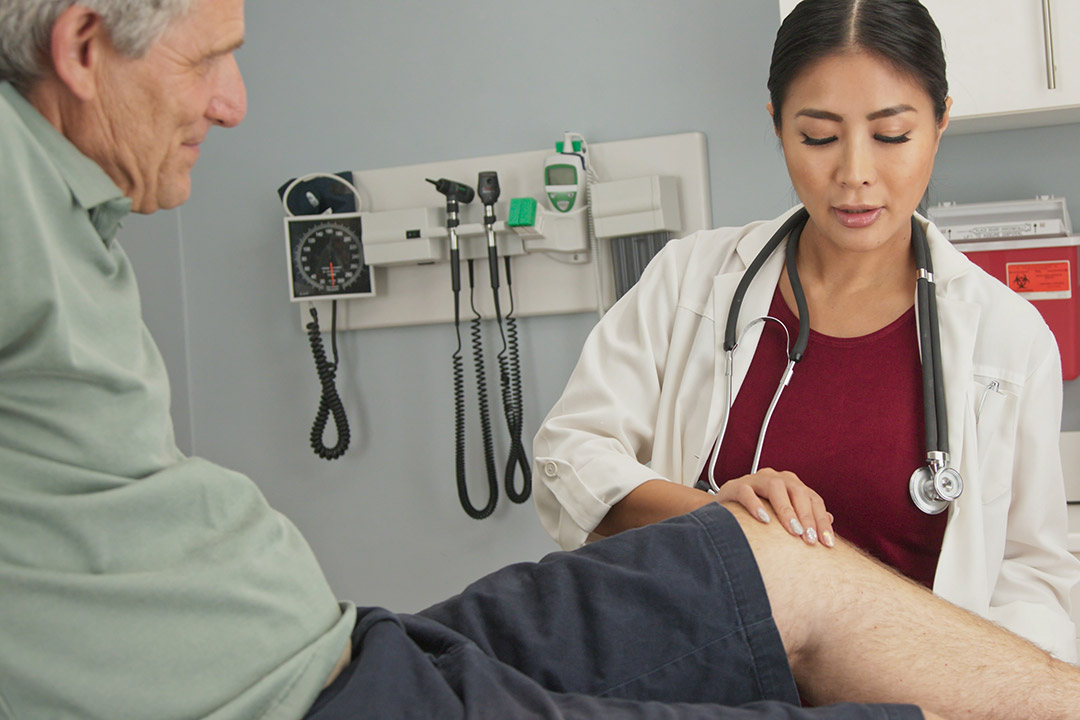
You should consider a medical escort for post-surgery travel if you require medical supervision, mobility assistance, or help managing medications and post-operative care during your journey. This service ensures safety and comfort, especially for long or complex trips.
Situations That May Require a Medical Escort
Limited mobility or use of assistive devices requiring help through airports or in-flight
Higher risk of complications, such as blood clots or cardiac issues
Dependence on assistance for daily tasks like walking, toileting, or transferring
Combination of surgical and chronic medical needs needing ongoing attention
Need for trained supervision to manage medications, oxygen, or wound care
Peace of mind for family members, especially during international or solo travel
Our medical escorts offer hands-on support, continuous monitoring, and reassurance from departure to arrival. Contact our team to learn more or book a medical escort today.
When Should Knee Replacement Patients Use an Air Ambulance?
Knee replacement patients should use an air ambulance when commercial travel is unsafe due to limited mobility, medical risks, or the need for continuous care. This ensures a controlled environment with advanced medical support during long-distance travel.
Situations That Call for an Air Ambulance
Need for long-distance or international travel shortly after surgery
Requirement for continuous medical monitoring, such as vital signs or oxygen support
Inability to safely board or sit in a commercial aircraft due to pain, swelling, or mobility limits
High risk of complications, such as deep vein thrombosis or infection
Recent surgical complications requiring professional supervision during transit
Physician recommendation for travel in a medically equipped environment
MTI 24/7’s air ambulance service offers ICU-level care, with trained staff and in-flight medical equipment to ensure your safety and comfort from takeoff to landing. Contact us today to schedule safe medical transport.
Cost Factors for Post-Surgery Medical Flights
The cost of a medical flight is fully customized based on the:
Route
Patient’s medical condition
Urgency of the request
Type of aircraft used
Number of accompanying passengers
Instead of fixed rates, MTI 24/7 tailors each quote to the patient’s specific needs, ensuring the most appropriate and cost-efficient solution.
Why Choose MTI 24/7 for Safe Travel After Orthopedic Surgery?

MTI 24/7 delivers reliable, professional, and compassionate medical transport for post-surgery patients. With years of experience and a multilingual medical team, we offer safe worldwide patient transport, whether you need a medical escort on a commercial flight or a fully equipped air ambulance. Every journey is planned with precision, ensuring comfort, dignity, and continuous medical supervision.
How to Arrange a Medically Supervised Flight After Knee Replacement
Booking a medically supervised flight with MTI 24/7 is a straightforward process designed to prioritize your safety and comfort. Our team manages every detail, from consultation to arrival, so you can focus on recovery.
Steps to Book a Medically Supervised Flight with MTI 24/7
Contact us via phone, email, or our online request form to get started
Receive a free consultation to assess your medical needs and travel requirements
Review a customized quote outlining the safest and most efficient transport option
Confirm and accept the offer, giving us the green light to begin preparations
Rely on our team to coordinate all logistics, including ground transport, medical staff, and in-flight care
Travel with confidence, knowing our professionals will support you from departure to arrival
For expert-managed post-surgical travel, contact MTI 24/7 today to schedule your medically supervised flight.
Contact MTI 24/7 for Safe Medical Flights After Knee Replacement
If you need a safe, comfortable, and professionally supervised flight after knee replacement surgery, MTI 24/7 is here to help. Our team is available around the clock to arrange the most suitable medical transport for your needs.
Reach us by:
Phone: USA: +1 646 335 06 83 / UK: +44 20 3608 0959
Email: info@mti-247.com
Our contact form